
Building Neurodivergent Friendly Work with FocusBear
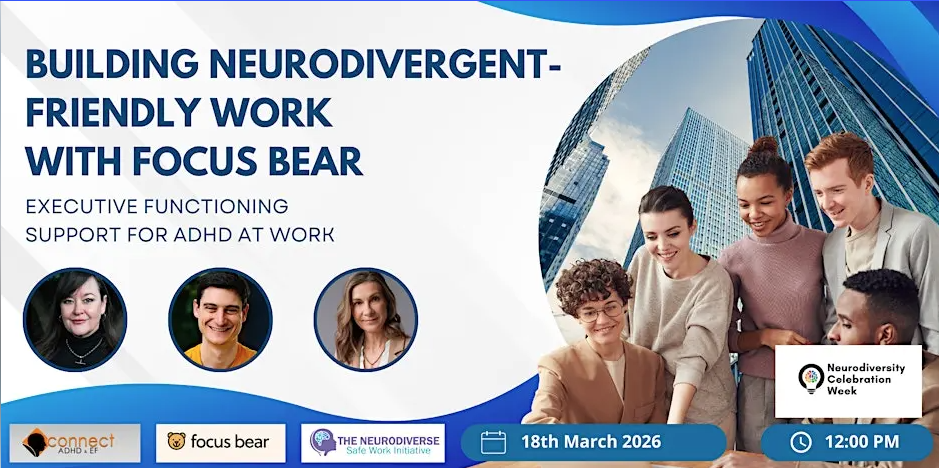
Webinar Host: Catherine Lee
Creating neurodivergent-friendly work requires more than awareness. It requires intentional design that recognises how people think, function and respond to work demands.
When work feels overwhelming, it is often not a capability issue, it is executive functioning overload.
Executive functioning challenges are among the most misunderstood and most impactful risk factors affecting neurodivergent workers, particularly people with ADHD. When workplace systems rely heavily on memory, self-regulation, time awareness and task initiation without appropriate support, the result is not improved performance. It is cognitive overload, increased psychosocial risk, burnout and preventable harm.
Delivered during Neurodiversity Celebration Week 2026, this webinar brings together lived experience, ADHD/EF coaching expertise and work design principles to explore how organisations can better support executive functioning at work.
Rather than focusing on motivation or discipline, this session reframes performance through a work design lens, demonstrating how systems, not individuals, are often the source of risk.
Designing Neurodivergent Friendly Work – What You Will Learn
- What executive dysfunction looks like in real workplace settings
- Why traditional productivity approaches can increase stress, shame and disengagement
- How executive functioning relates to psychosocial risk and WHS obligations
- Practical strategies to reduce cognitive load and improve follow-through
- How tools such as Focus Bear can support initiation, prioritisation and recovery
Speakers
Jeremy Nagel
Creator of Focus Bear, sharing insights from lived experience and neurodivergent-led design.
Monica Hassall
Founder of Connect ADHD and one of Australia’s first ADHD coaches, bringing extensive coaching expertise.
Catherine Lee
Founder of the Neurodiverse Safe Work Initiative and WHS consultant, providing a systems-based and duty of care perspective.
Who This Webinar Is For
This session is designed for:
- Employers and senior leaders
- WHS and HR professionals
- Managers seeking practical, evidence-informed guidance
- Neurodivergent workers and advocates
- Anyone interested in reducing psychosocial risk through better work design
Why this Matters
Executive functioning support is not a “nice to have.” It is central to safe work.
When organisations understand how people think and function, they can design systems that support performance without relying on constant coping. This reduces risk, improves consistency and creates more sustainable ways of working.
In my opinion, this is one of the most significant gaps currently present in how organisations approach psychosocial risk and WHS system design.
This webinar provides practical, evidence-informed insights to help you move from awareness to action and build work environments that are both safe and enabling.
Access
Register via the link to receive access to the webinar recording.

Neurodiversity at Work – Workplace Investigations

Neurodiversity Celebration Week – Launch of the NDSW Self Assessment Checklist
The NDSW Self Assessment Checklist for employers – a tool to benchmark neuroinclusive systems

Attention Deficit Disorder Association Webinar
In this webinar, we will explore some of the barriers to disclosure, the problems that non-disclosure can cause for both the worker and the employer, and introduce the Neurodiverse Safe Work Initiative, which has been established to make workplaces safe, healthy and inclusive for neurodiverse workers.

Neurodiversity at Work – Interview with Prof. Amanda Kirby
Discover the Neurodiversity Workplace Profiler with Inclusee
Learn how Inclusee implemented the Neurodiversity Workplace Profiler and what they gained from the experience.

Building Safer Workplaces : Neurodiversity At Work
Neurodiversity at work creates safer work for everyone
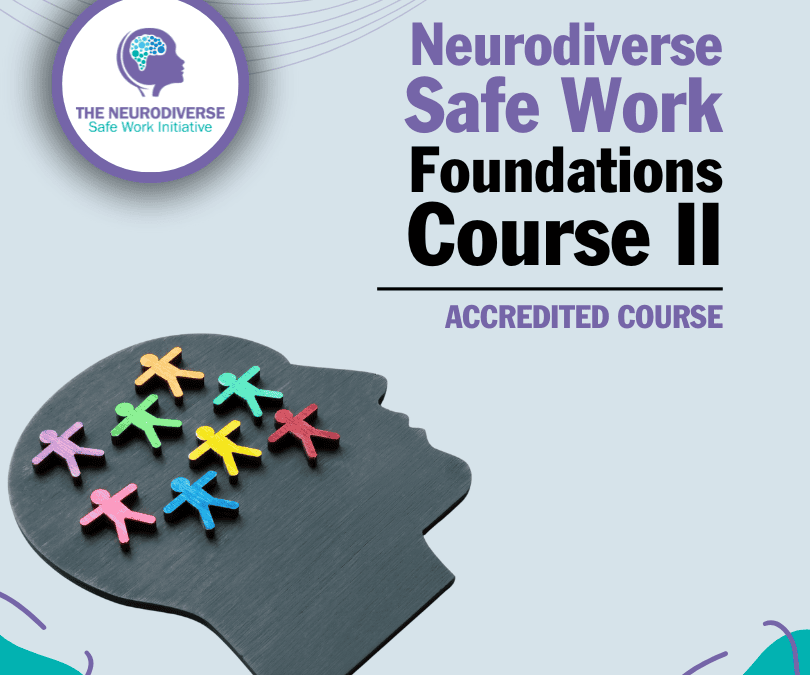
Neurodiverse Safe Work Foundations Course II accreditation
The Neurodiverse Safe Work Foundations Course II provides successful participants with accreditation against BSBWHS411 by our accreditation partner, Knowledge Access
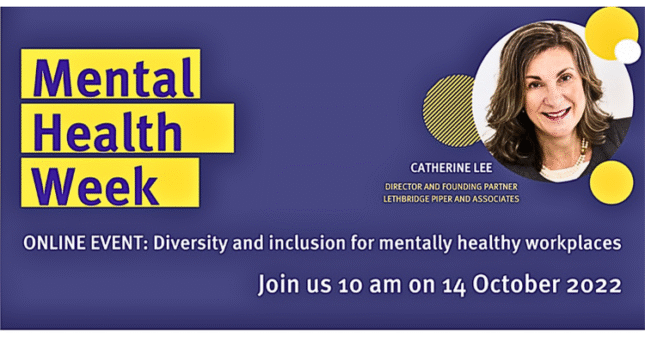
Mental Health Week 2022
Diversity and Inclusion for Mentally Health Workplaces